If you have ever watched a live studio floor from the comfort of your couch while the kettle boils, you already understand why live dealer casino crazy time explained tends to attract the same crowd that prefers a Sunday arvo at the MCG over a quiet bookie. The game is less a card table and more a television set with a dealer who knows exactly when to raise an eyebrow. It runs on a fixed wheel, a handful of bonus rounds, and a pace that rewards patience more than swagger. For players who want the table feel without the trek to a bricks-and-mortar room, it is a decent fit, provided you know what you are walking into and how the lobby around it is actually sorted.
The Wheel, The Floor, and What You Are Actually Betting On
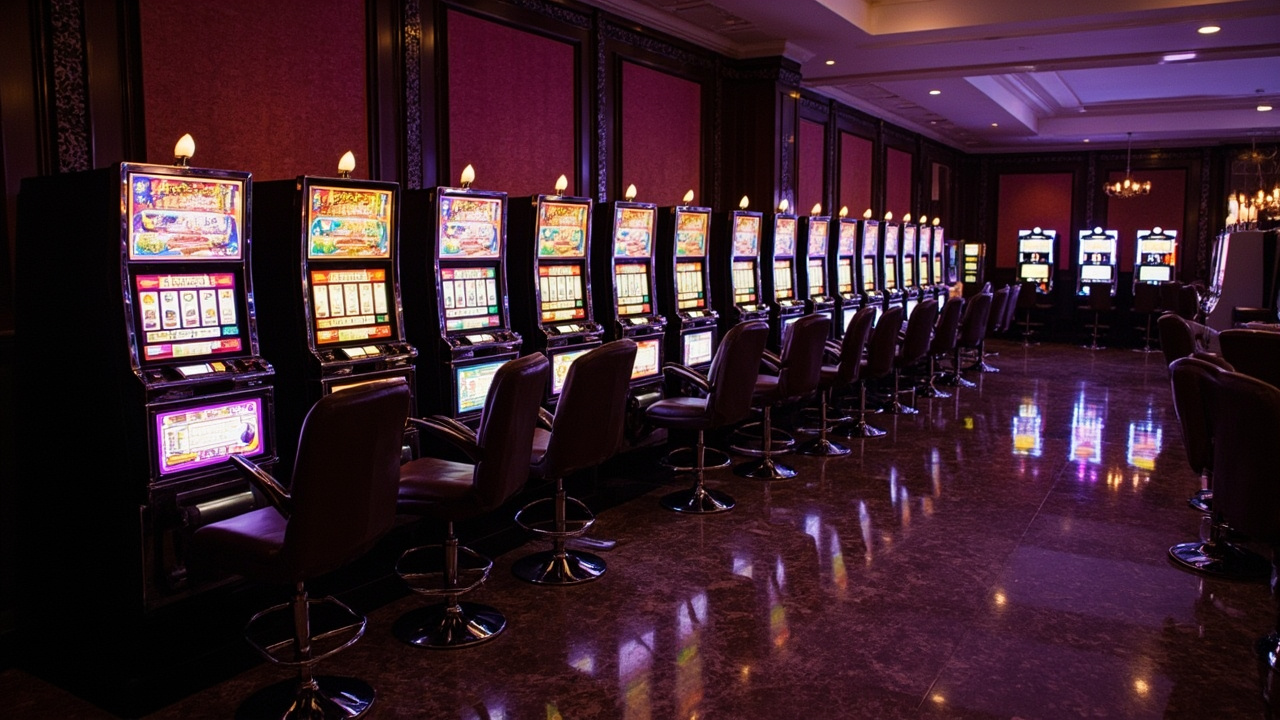
Crazy Time is built around a single spinning wheel divided into coloured segments, each tied to a straight-up payout or a bonus trigger. The dealer calls the result, the camera cuts to the relevant segment, and the maths does the rest. What makes the format distinct is not the wheel itself but the way the studio stages four bonus games – Pachinko, Coin Flip, Crazy Time, and Mental – so they feel like separate rooms rather than afterthoughts. The lobby on a typical live floor groups these tables by stake tiers, dealer language, and peak-hour capacity, which matters more than it sounds when you are trying to find a seat at 9pm on a Friday.
I once watched a mate in a Brunswick share house treat the wheel like a weather forecast, muttering about “high pressure over the sevens” while waiting for a Coin Flip trigger that never arrived. He was not wrong about the patience required, just a bit theatrical about it. The practical takeaway is that the game rewards steady bankroll sizing over chasing a single bonus round, and the lobby’s search filters help you avoid tables where the minimum bet stretches past what your session can comfortably absorb. If you want to play at jackpotjill casino, the live section tends to sort tables by dealer cadence and stake ladder first, which is the kind of arrangement that stops you from clicking into a room that is already running at capacity.
| Common table element | What it actually means for a session |
|---|---|
| Base wheel segments | Straight payouts on the colour or number called |
| Bonus triggers | Land the matching segment to enter a separate game |
| Pachinko | Drop-the-puck bonus with multiplier lanes |
| Coin Flip | Heads-or-tails style multiplier round |
| Crazy Time bonus | Top-tier multiplier game with a central drop |
| Mental | Number-guess style round with escalating prizes |
The table above is less a spoiler and more a reminder that each bonus has its own rhythm, which is why players who treat every spin as a mini-event tend to burn through their notes faster than they expect.
Reading the Lobby Like a Tram Schedule
A live floor is only useful if you can actually find what you came for without clicking through six rooms that look identical until you are three clicks deep. The better lobbies tag tables by provider, language, minimum and maximum stake, and current seat availability, then let you filter by bonus frequency or dealer style if the operator has bothered to label those things. Slots usually sit in a separate tab, which is sensible, because mixing a 243-way video slot with a live wheel in the same scroll is the digital equivalent of stacking a meat pie on a coffee table and calling it dinner. Table games cluster by family – blackjack, roulette, baccarat, and the showpiece live titles – so the live dealer casino crazy time explained entry usually sits near the top of the “show” or “bonus” group rather than buried under standard roulette variants. play at jackpotjill casino
I have seen a player in Footscray spend ten minutes hunting for a table that turned out to be a language setting away from the one they already opened, which is the kind of small frustration that turns a relaxed arvo into a grumpy one. The fix is boring but effective: use the stake filter first, then the dealer language, then the table name, and do not assume the default sort is doing you any favours. If you are comparing options late at night and want a short read on how open-line game choices get sorted, there is a practical breakdown in this neighbour piece on late-night online game options that walks through the same kind of lobby logic without the theatre.
What matters for Crazy Time specifically is that the showpiece tables often carry higher minimums than the standard roulette rooms, so the lobby’s stake ladder is the first thing to check before you get attached to a particular dealer’s cadence. The game mix around it also tells you something about the floor’s overall shape: a room heavy on low-stakes blackjack and a single high-profile live bonus title is usually aiming at casual players who want one showpiece session rather than a full evening of table hopping.
Who This Actually Fits, and Who Should Walk Past
The game suits a player who likes a live host, a visible wheel, and a bonus structure that feels like a separate mini-show rather than a hidden feature. It is less suited to someone who wants quick, quiet decisions with no camera cuts and no dealer banter. If your ideal session is a single focused run with a clear stop point, the wheel’s straight segments give you that, while the bonus rounds are the part you treat as a possible detour rather than the whole trip. If you prefer a busy table where the pace is set by other players’ decisions, this format can feel a bit like watching a well-run kitchen when you just wanted a sandwich.
I have seen two different sessions play out on the same night in a Melbourne apartment block, and they were not even close to the same game. One player treated each spin as a small, measured bet and capped the run after a fixed stretch, walking away with the kind of calm that only comes from deciding the exit before the first spin. Another chased the bonus rounds like they were owed rent, upping the stake after every near-miss and learning the hard way that a live wheel does not keep a ledger of what you are owed. The difference was not luck in the moment; it was whether the player had a session shape in mind before the first deal. Tecniber
For anyone weighing late-night options and wanting a plain-language look at how open-line game choices get structured, this neighbour piece on late-night online game options lays out the same kind of lobby and stake logic without the dressing. The practical fit for Crazy Time is simple: pick a table whose minimum matches your planned run, treat the bonuses as possible detours, and do not confuse a lively studio with a soft game.
A decent live session here is less about finding a magic segment and more about knowing your own stop point before the first spin lands. The wheel is what it is, the bonuses are what they are, and the lobby is the part that decides whether you spend ten minutes hunting or ten minutes playing. If you go in with a fixed stake, a clear exit, and the sense to treat the showpiece rounds as entertainment rather than a promise, the format holds up as a live table with a bit of theatre attached.