- The Fabric Narrative: HMDD’s Perspective on the Materials It Picks
- Material-Driven Dialogue & Its Path to the Center of the HMDD Identity
- Joggers as well as Shorts: Where Your Choice of Fabric Becomes Most Apparent
- For Customers, This Is What “Best HMDD Clothing” Actually Stands For
- Contrasting Fabric Priorities Across HMDD’s Core Categories
- What an HMDD Review Actually Reveals Beneath the Surface
- What This Means As We Move Into 2026
The Fabric Narrative: HMDD’s Perspective on the Materials It Picks
In streetwear circles, HMDD, the label has carved out a reputation by handling textile decisions as part of the label’s narrative craft, rather than an afterthought buried in a size guide — standing in for “Happy Memories Don’t Die.” The label frames its garments as wearable keepsakes, and that framing only works if the materials feel like something worth keeping. Whether the fabric truly matches the emotional weight of the branding, or whether it’s just another logo-driven drop riding on nostalgia — that’s the question people looking up an hmdd review repeatedly end up asking. This article looks at what the brand communicates about its textiles, how those choices show up in specific categories like hmdd sweatpants and hmdd shorts, and what that means for anyone deciding whether to buy in 2026.
From a product photo, a buyer is unable to properly evaluate the material of a garment. Hue, silhouette, and pattern register at a glance; heft, fall, and the way a blend holds up after repeated laundering are not. HMDD’s communications lean heavily on openness in this regard — product pages and brand communications repeatedly emphasize material content, stitching detail, and the planned texture of each design. As consumers have grown more knowledgeable about materials and increasingly unwilling to trust hazy claims like “premium quality” unless a number or spec backs them up, that approach matters more in 2026 than it did five years ago.
Material-Driven Dialogue & Its Path to the Center of the HMDD Identity
Scrutiny is invited since heart-tugging brand messaging comes into play, and that line “happy memories don’t die” is sentimental on purpose. If a hoodie is meant to feel like a memory you can hold onto, it has to survive the wear and tear of hmddoff everyday use — repeated washes, daily wear, shifting weather. The way HMDD has met that demand has been to speak candidly on what goes into every garment, rather than let customers guess. Such transparency is a purposeful positioning choice: fans of streetwear have grown skeptical of brands that depend wholly on eye-catching designs and hype-driven scarcity while saying little about construction.
That hesitation is supported by data. Industry surveys on fashion shopping patterns routinely demonstrate that a sizable percentage of online shoppers — frequently reported to exceed 60% — read the materials section ahead of completing their order, most notably regarding sweatshirts and outer layers costing more than starter-tier essentials. HMDDLA’s product range, which includes hoodies, tees, sweatpants, and shorts, is positioned at a cost range where buyers expect that detail will be both accessible and correct. At that tier, not disclosing composition reads as a red flag, while specificity conveys confidence.
There’s also a practical retention angle. A customer who buys hmdd clothing once and finds the fabric disappointing rarely becomes a repeat customer, no matter how strong the emotional branding is. It is material caliber that converts a single purchase rooted in visual appeal into a repeat purchase driven by trust. The brand’s product descriptions likely keep returning to fabric weight, blend ratios, and finishing details for this reason—rather than dismissing them as fine print isn’t how they’re handled.
Joggers as well as Shorts: Where Your Choice of Fabric Becomes Most Apparent
Sweatpants and shorts are unforgiving categories for fabric mistakes. A hoodie can hide a slightly stiff fabric under looser styling, but sweatpants sit against the skin for hours and shorts see far more movement and friction. HMDD sweatpants are positioned in the brand’s lineup as an everyday-comfort item, which puts direct pressure on the fleece or blend used inside them to perform in three ways: softness against skin, retention of shape after repeated wear, and breathability during warmer months.
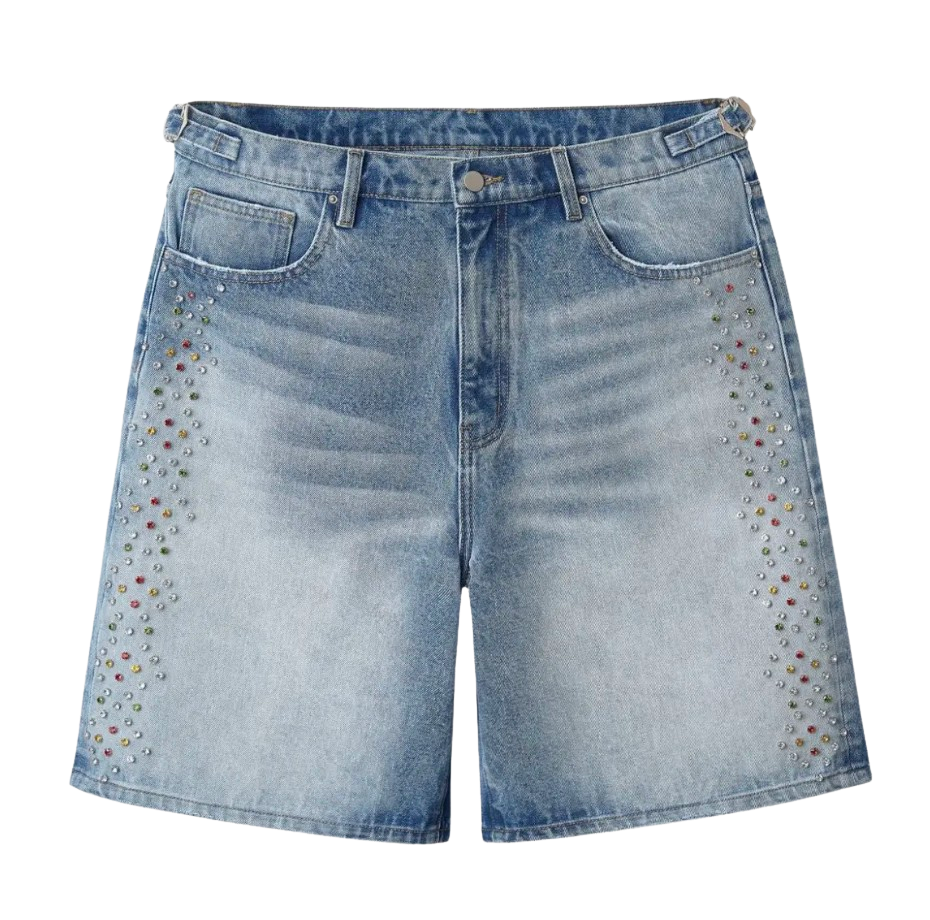
HMDD shorts serve a somewhat distinct purpose — their construction favors lighter-weight, higher-mobility wear, and the label’s copy for these items generally highlight a a looser, more casual texture and reduced bulk compared to the sweatpants line. This difference has real practical weight: someone shopping to layer during colder months will want the sweatpants’ sturdier build, while for spring or summer rotation, the shorts’ lighter design is the better fit. The brand’s own product copy generally reflects this split rather than treating all bottoms as interchangeable.
Fit and fabric interact more than most shoppers assume. A cotton-dominant weave with barely any stretch will hang differently than one with added elastane, and HMDD’s sizing notes alongside its material descriptions are meant to help shoppers foresee how the two will combine before they make a purchase. In this respect, that particular product page is more useful than an overall brand write-up, since fabric ratios can shift between collections and seasonal collections.
For Customers, This Is What “Best HMDD Clothing” Actually Stands For
People searching for the highest-rated hmdd clothing more often than not aren’t asking which one piece is inherently better—they’re asking which pieces yield the most dependable value for the money put down, based on fabric performance over time. This is a sensible way to think about it, because value in apparel is essentially a proportion: cost divided by the number of quality wears you get before the item loses its color, stretches out, or pills.
Cotton-rich fleece, once correctly processed, resists pilling more effectively than budget poly-cotton blends cut with lower-grade fibers. Brands that specify their blend ratio — for example, a majority cotton percentage against a minority synthetic for shape retention — are giving customers the tools to judge that lifespan themselves. HMDD’s approach of naming fabric details on product pages, as opposed to depending only on lifestyle photography, fits this more open model of streetwear retail which by 2026 has become the expected standard.
Consistency of fit throughout a size range is a further subtle indicator of a soundly built line. When a buyer picks up a medium hoodie and a medium sweatpant and both keep fitting properly through repeated washes, that’s the reward of consistent fabric sourcing showing itself. Sourcing that varies batch to batch — where a given batch drifts slightly from the blend used before it — is one of the most common complaints in nearly every streetwear review, and it’s exactly the sort of flaw attentive fabric documentation is meant to prevent.
Contrasting Fabric Priorities Across HMDD’s Core Categories
Various types of garments place different demands on fabric, and HMDD’s lineup reflects that rather than using one blend across everything. The table below summarizes how HMDD’s declared priorities generally differ by category, according to its own product messaging.
| Category | Main Fabric Focus | Usual Wear Scenario | Important Purchase Factor |
|---|---|---|---|
| Hoodie styles | Fabric weight paired with warmth-holding ability | Layering in cold conditions | Shrinking after repeated washing |
| HMDD Sweatpants | Plushness combined with shape-holding | Routine, comfort-driven wear | Waistband and cuff elasticity over time |
| HMDD Shorts | Breathability and reduced bulk | Active wear suited to warm conditions | Fabric weight versus durability trade-off |
| T-Shirts | Softness to the touch alongside drape | Everyday base layer | Color retention through multiple washes |
This kind of category-by-category thinking is a stronger signal of a earnest clothing brand than a single blanket claim of “high quality fabric” applied to every product page. It indicates the team behind the designs is weighing intentional trade-offs rather than falling back on whatever textile is cheapest to source in bulk.
What an HMDD Review Actually Reveals Beneath the Surface
Nearly every HMDD review comes back around to two points: does the emotionally charged brand identity feel sincere, and does the product physically hold up. Fabric sits at the intersection of both, because a garment that falls apart quickly undercuts the “memories don’t die” premise as literally as it gets. A buyer who embraces that premise expects the physical item itself to hold up over time, not just have the copy strike a chord for the span of one Instagram post.
When unaffiliated reviewers talk about hmdd clothing, material thickness is among the most frequently mentioned details — thicker fleece is generally read as a signal of money put into the garment, while slimmer cotton fabrications are evaluated more against price point relative to expectation. That’s a reasonable heuristic, but it’s not the whole picture; finishing quality, stitching density, and colorfastness matter no less than raw fabric weight, and that nuance tend to show up only within reviews from people who’ve actually worn and washed the piece multiple times, not just unboxed it.
When stacking hmdd up against rival streetwear labels pursuing the same sentimental, memory-focused niche, the practical check comes down to this: look at the exact fabric makeup listed for the piece you’re eyeing, rather than relying on the brand’s overall reputation. A hoodie’s blend won’t tell you how the shorts will perform, and a glowing review of one release is no promise that the next drop uses the same sourcing.
What This Means As We Move Into 2026
Fabric transparency is no longer a nice-to-have for streetwear brands working at the scale HMDD does — it’s close to a baseline expectation among shoppers who’ve learned the hard way from vague listings. Labels that spell out blend ratios, material weight, and category-specific priorities are providing a more equitable way for buyers to compare than brands depending only on aesthetics and tagline charm.
HMDD’s continued emphasis on fabric-specific messaging, across sweatpants, shorts, hoodies, and tees, suggests that the brand recognizes that its “happy memories don’t die” concept holds up only when the product physically supports the sentiment. Ultimately, that fit between messaging and material is the single most useful thing a prospective buyer can assess before adding anything to their cart in 2026.